
- Restoration of units without disassembling them
- Increasing service life and reducing accidents
- Extending service intervals
- Energy conservation and energy efficiency
- Improving the properties of lubricants


The protective layer becomes one with the underlying metal surface, filling imperfections, scratches, and micro-burrs. The new layer has dielectric properties, significantly reducing electrochemical corrosion and hydrogen wear, and is highly resistant to abrasion and dynamic loads.
CM reduces wear on friction surfaces by 3-5 times, depending on the load. The metal-carbon network eliminates direct surface contact and dry friction; contact occurs carbon-on-carbon with a roughness exceeding grade 14.
Using CM reduces the degradation of the base lubricant, extending its service life by up to 50%. It is used in all types of internal combustion engines and transmissions, compressors, gearboxes, chain and gear drives, fuel injection pumps, hydraulic and pneumatic systems, generator/fan/wheel bearings, and any other friction components. The particle size (0.2 µm) ensures their free passage through filters and eliminates the possibility of sedimentation. CM completely binds to the metal structure after 5 hours of operation.
CM is used as a fuel combustion catalyst. Due to nanodetonation ruptures of covalent bonds of carbon atoms under the conditions of the cylinder-piston group flash, the CM ensures a reduction in the ionization energy of oxygen, deeper oxidation of the fuel and completeness of its combustion.
Primary treatment hardens the metal surface layer. Subsequent treatments maintain protective properties and are recommended regularly during each maintenance period.
Primary treatment should be performed by dissolving the CM in a container with the main lubricant (engine/transmission/hydraulic oil) and mixing thoroughly.
The total volume of the working fluid (oil + CM) should not exceed the maximum permissible level to avoid excess pressure and possible damage to seals and gaskets.
Before using the CM, shake the bottle thoroughly for 2 minutes.
Do not mix with any type of brake fluid!
COMPOSITION: a solution of carbon nanostructures (nanotubes and fullerenes) in a hydrocarbon fluid
Robotic transmission
Robotic transmission
Robotic transmission
Robotic transmission


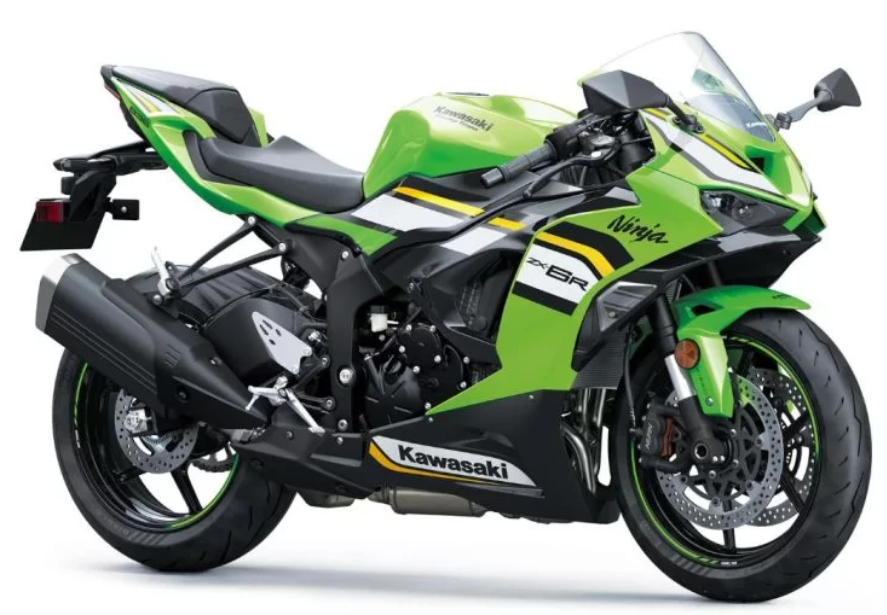
| Treatmenting unit | Working Fluid Volume, l | Carbon Modifier Volume (1st Maintenance), ml | Carbon Modifier Volume (2nd Maintenance), ml |
|---|---|---|---|
| Engine | 3 | 150 | 60 |
| Front fork | 1.1 | 22 | 17 |
| Fuel | 17 | 17 | 17 |
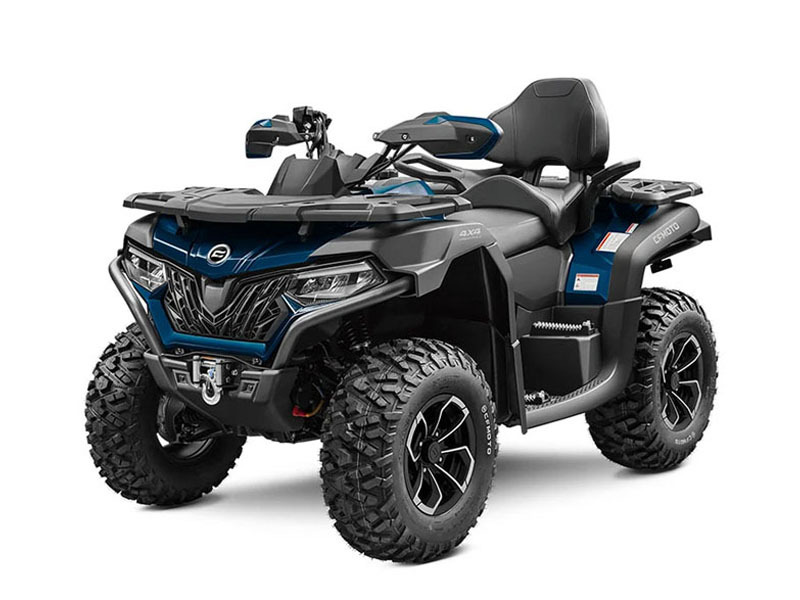
| Treatmenting unit | Working Fluid Volume, l | Carbon Modifier Volume (1st Maintenance), ml | Carbon Modifier Volume (2nd Maintenance), ml |
|---|---|---|---|
| Engine | 3 | 150 | 62 |
| CVT | 0.9 | 18 | 14 |
| Front differential | 0.3 | 9 | 6 |
| Rear differential | 0.3 | 9 | 6 |
| Fuel | 18 | 18 | 18 |

| Treatmenting unit | Working Fluid Volume, l | Carbon Modifier Volume (1st Maintenance), ml | Carbon Modifier Volume (2nd Maintenance), ml |
|---|---|---|---|
| Engine | 3.6 | 180 | 72 |
| Automatic transmission | 7 | 140 | 105 |
| Fuel | 50 | 50 | 50 |
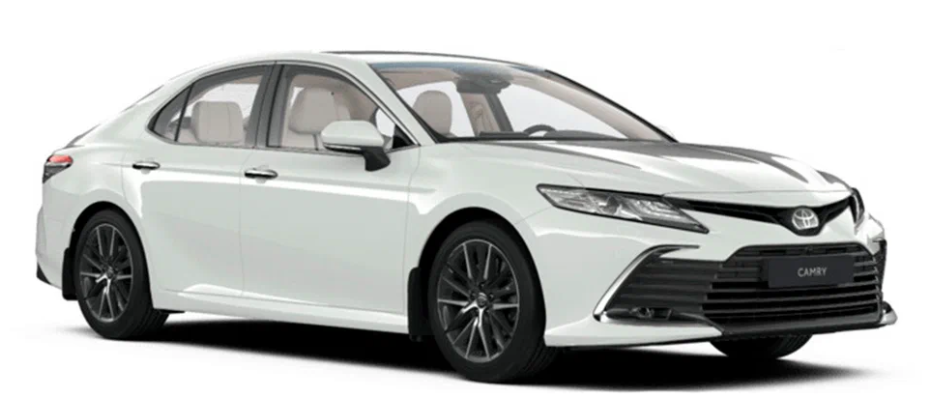
| Treatmenting unit | Working Fluid Volume, l | Carbon Modifier Volume (1st Maintenance), ml | Carbon Modifier Volume (2nd Maintenance), ml |
|---|---|---|---|
| Engine | 4.5 | 225 | 90 |
| Automatic transmission | 7.3 | 146 | 110 |
| Fuel | 60 | 60 | 60 |
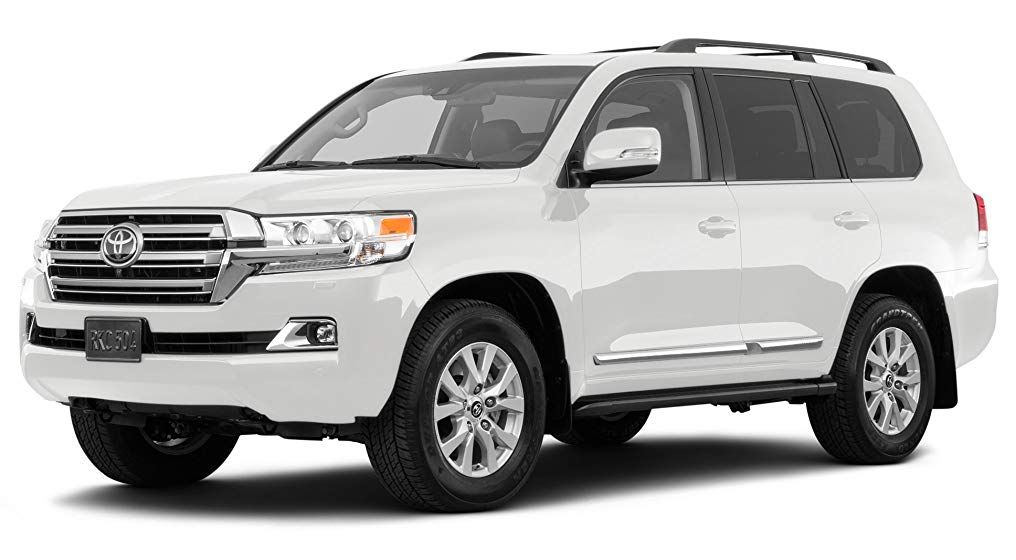
| Treatmenting unit | Working Fluid Volume, l | Carbon Modifier Volume (1st Maintenance), ml | Carbon Modifier Volume (2nd Maintenance), ml |
|---|---|---|---|
| Engine | 7.5 | 375 | 150 |
| Automatic transmission | 11.8 | 236 | 177 |
| Transfer case | 1.45 | 44 | 29 |
| Front axle | 1.9 | 57 | 38 |
| Rear axle | 4.2 | 126 | 84 |
| Power steering | 1 | 20 | 15 |
| Fuel | 93 | 93 | 93 |
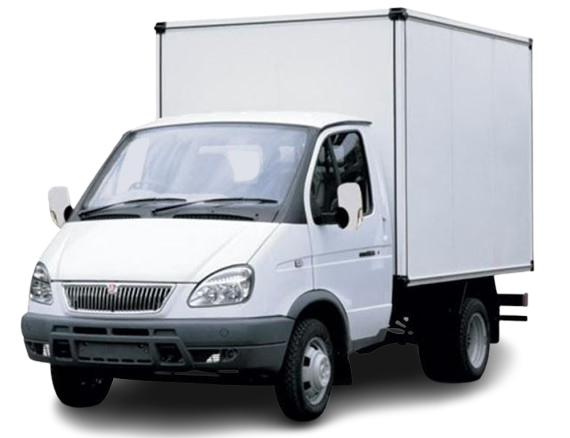
| Treatmenting unit | Working Fluid Volume, l | Carbon Modifier Volume (1st Maintenance), ml | Carbon Modifier Volume (2nd Maintenance), ml |
|---|---|---|---|
| Engine | 4.5 | 225 | 90 |
| Manual transmission | 2.2 | 66 | 44 |
| Rear axle | 1.5 | 45 | 30 |
| Power steering | 1.2 | 24 | 18 |
| Fuel | 70 | 70 | 70 |
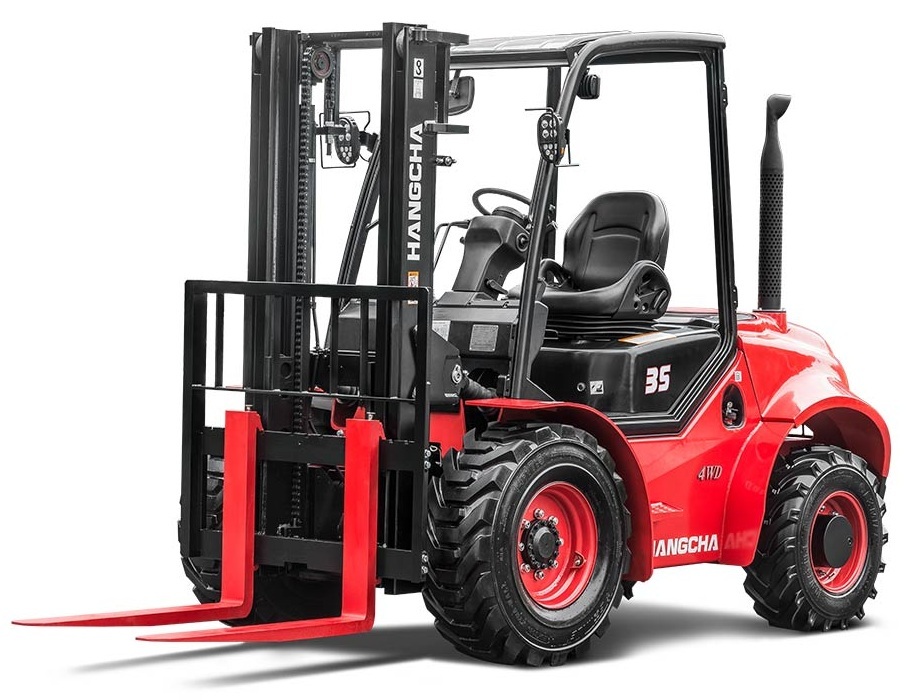
| Treatmenting unit | Working Fluid Volume, l | Carbon Modifier Volume (1st Maintenance), ml | Carbon Modifier Volume (2nd Maintenance), ml |
|---|---|---|---|
| Engine | 8 | 400 | 160 |
| Automatic transmission | 7 | 140 | 105 |
| Hydraulic system | 60 | 1200 | 900 |
| Fuel | 60 | 60 | 60 |
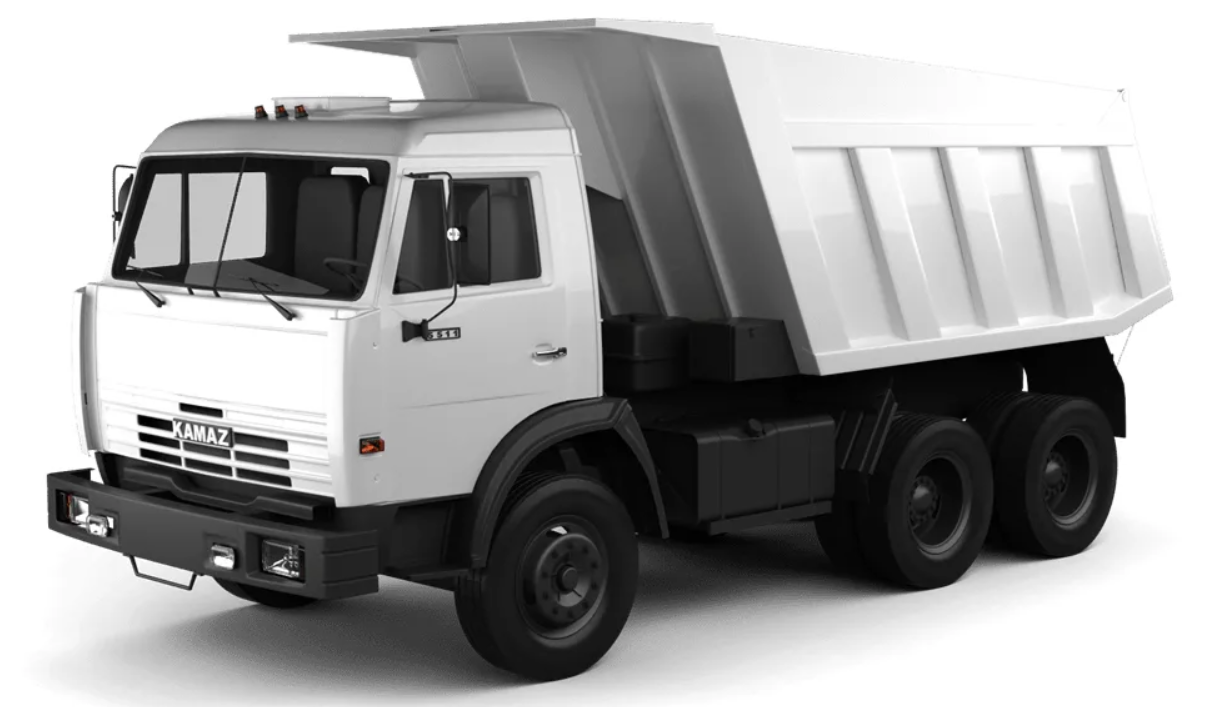
| Treatmenting unit | Working Fluid Volume, l | Carbon Modifier Volume (1st Maintenance), ml | Carbon Modifier Volume (2nd Maintenance), ml |
|---|---|---|---|
| Engine | 27 | 1135 | 540 |
| Manual transmission | 11 | 220 | 220 |
| Front axle | 4 | 120 | 80 |
| Rear axles | 16 | 480 | 320 |
| Power steering | 4 | 80 | 60 |
| Fuel | 350 | 350 | 350 |
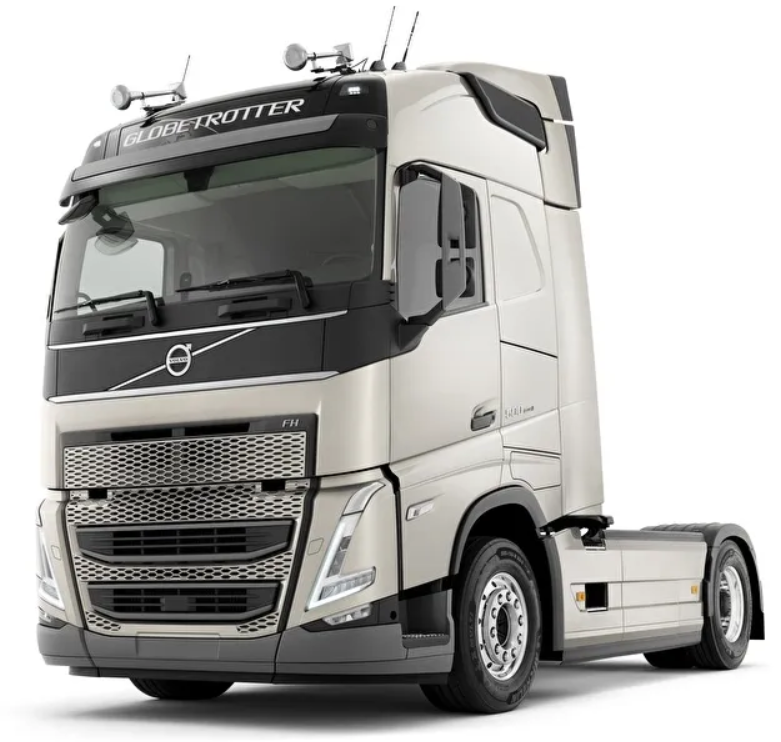
| Treatmenting unit | Working Fluid Volume, l | Carbon Modifier Volume (1st Maintenance), ml | Carbon Modifier Volume (2nd Maintenance), ml |
|---|---|---|---|
| Engine | 33 | 1650 | 660 |
| Robotic gearbox | 16 | 480 | 320 |
| Front axle | 9 | 270 | 180 |
| Rear axle | 18 | 540 | 360 |
| Power steering | 6 | 120 | 90 |
| Fuel | 900 | 900 | 900 |
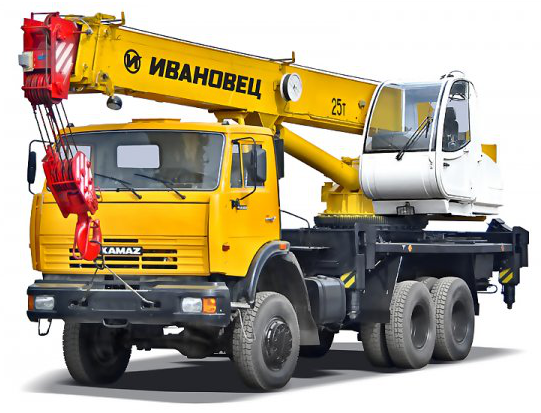
| Treatmenting unit | Working Fluid Volume, l | Carbon Modifier Volume (1st Maintenance), ml | Carbon Modifier Volume (2nd Maintenance), ml |
|---|---|---|---|
| Engine | 27 | 1135 | 540 |
| Manual transmission | 11 | 220 | 220 |
| Front axle | 4 | 120 | 80 |
| Rear axles | 16 | 480 | 320 |
| Power steering | 4 | 80 | 60 |
| Hydraulic system | 400 | 8000 | 6000 |
| Fuel | 200 | 200 | 200 |
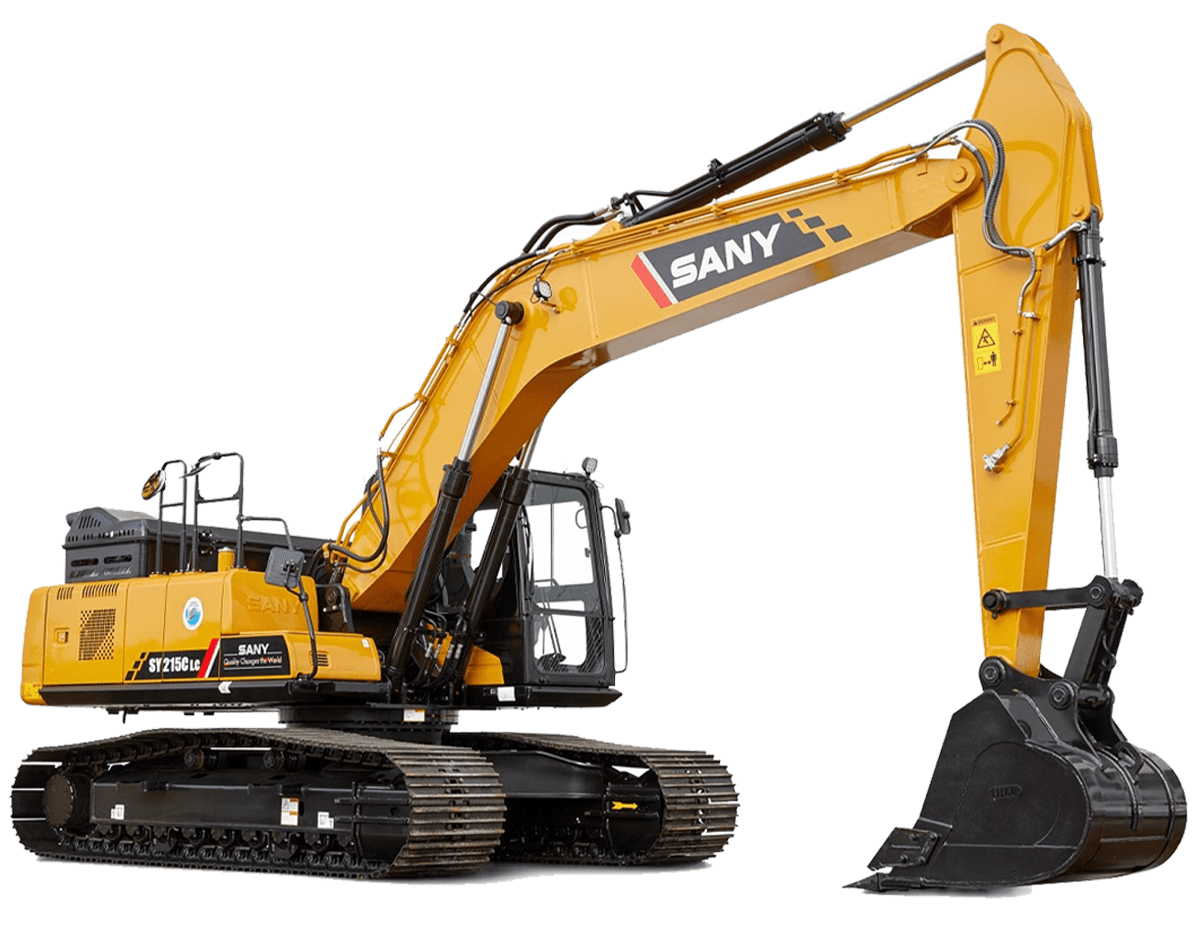
| Treatmenting unit | Working Fluid Volume, l | Carbon Modifier Volume (1st Maintenance), ml | Carbon Modifier Volume (2nd Maintenance), ml |
|---|---|---|---|
| Engine | 27 | 1350 | 540 |
| Travel gear reducers | 11 | 330 | 220 |
| Swing reducer | 4 | 120 | 80 |
| Hydraulic system | 239 | 4780 | 3585 |
| Fuel | 340 | 340 | 340 |
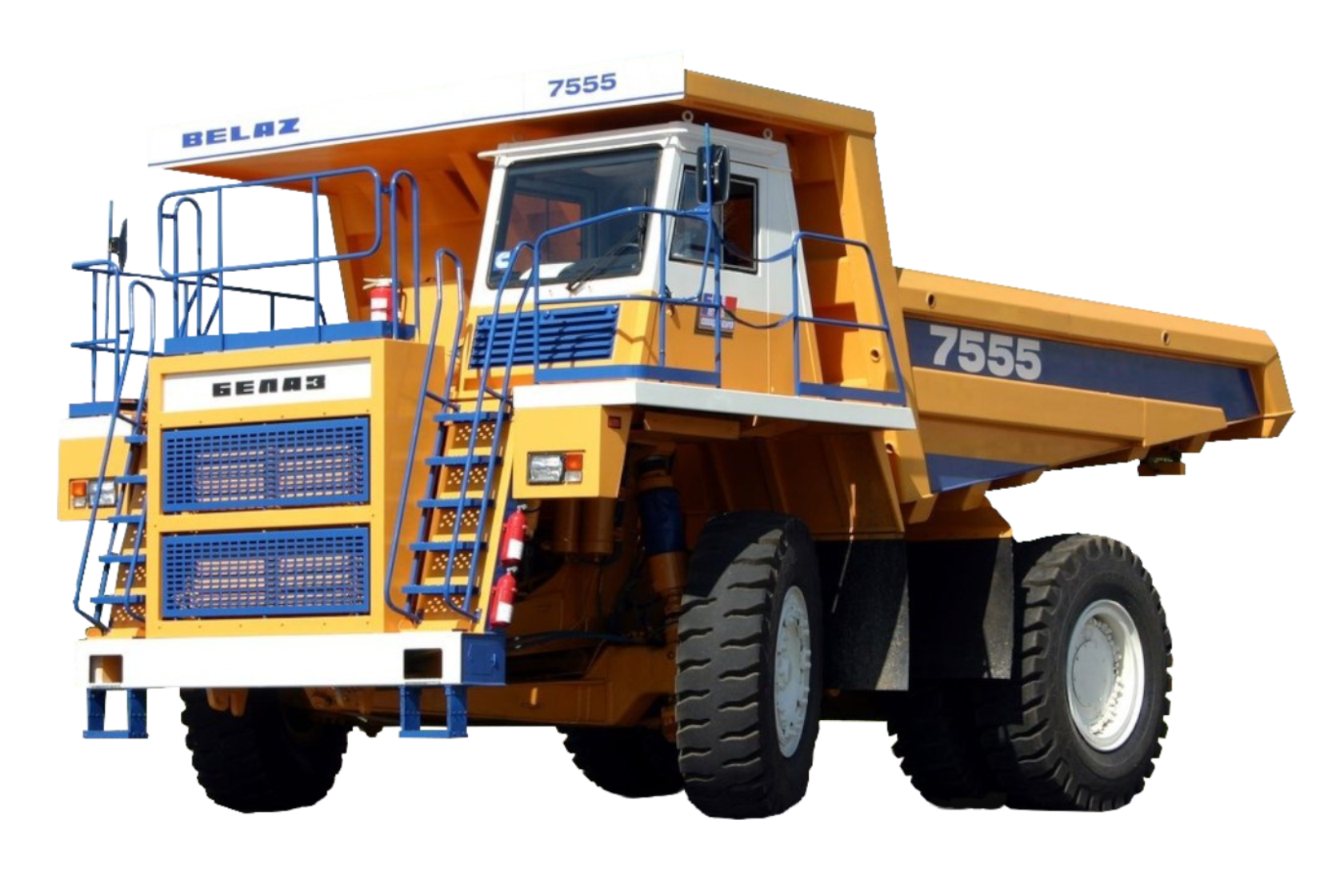
| Treatmenting unit | Working Fluid Volume, l | Carbon Modifier Volume (1st Maintenance), ml | Carbon Modifier Volume (2nd Maintenance), ml |
|---|---|---|---|
| Engine | 55 | 2750 | 1100 |
| Hydraulic system (body lift + steering) | 250 | 5000 | 3750 |
| Planetary reducers | 30 | 900 | 600 |
| Transmission | 30 | 900 | 600 |
| Brake hydraulic system | 25 | 500 | 375 |
| Fuel | 1000 | 1000 | 1000 |
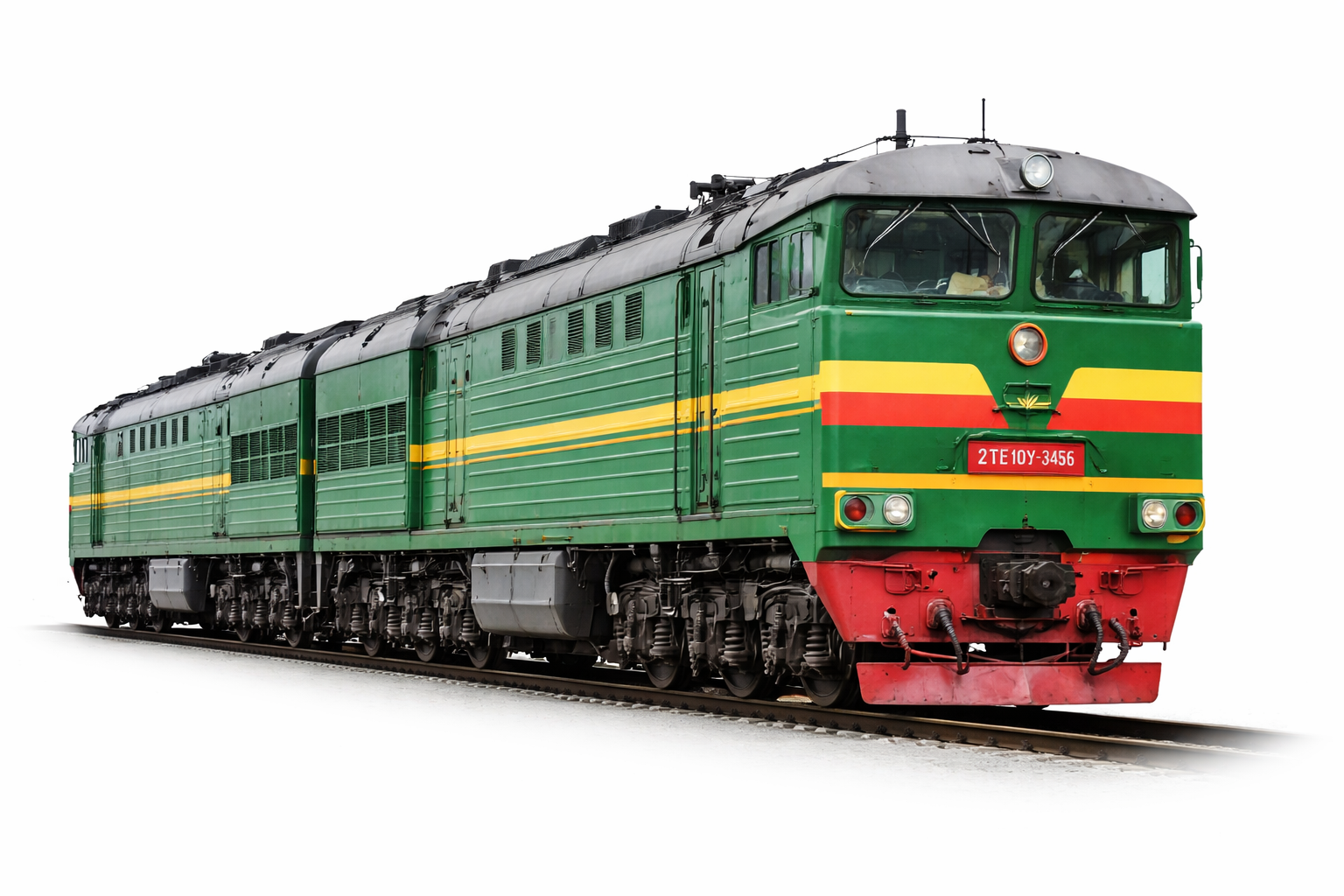
| Treatmenting unit | Working Fluid Volume, l | Carbon Modifier Volume (1st Maintenance), ml | Carbon Modifier Volume (2nd Maintenance), ml |
|---|---|---|---|
| Main diesel engines (2 pcs) | 3000 | 150000 | 60000 |
| Generators, 2 pcs (rotor bearings) | 30 | 600 | 450 |
| Gear reducers (12 pcs) | 360 | 10800 | 7200 |
| Traction electric motors, 12 pcs (rotor rolling bearings) | 28 | 2800 | 2800 |
| Hydraulic system | 300 | 6000 | 4500 |
| Brake system compressors | 60 | 1800 | 1200 |
| Fuel | 12000 | 12000 | 12000 |
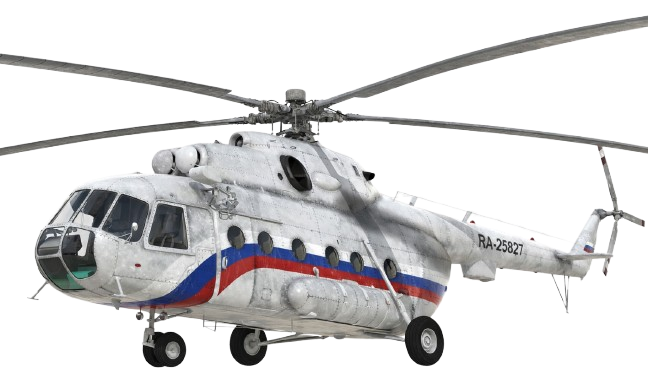
| Treatmenting unit | Working Fluid Volume, l | Carbon Modifier Volume (1st Maintenance), ml | Carbon Modifier Volume (2nd Maintenance), ml |
|---|---|---|---|
| Engines | 60 | 3000 | 1200 |
| Main gearbox | 40 | 1200 | 800 |
| Intermediate gearbox | 6 | 180 | 120 |
| Tail gearbox | 5 | 150 | 100 |
| Hydraulic system | 16 | 320 | 240 |
| Fuel | 1870 | 1870 | 1870 |
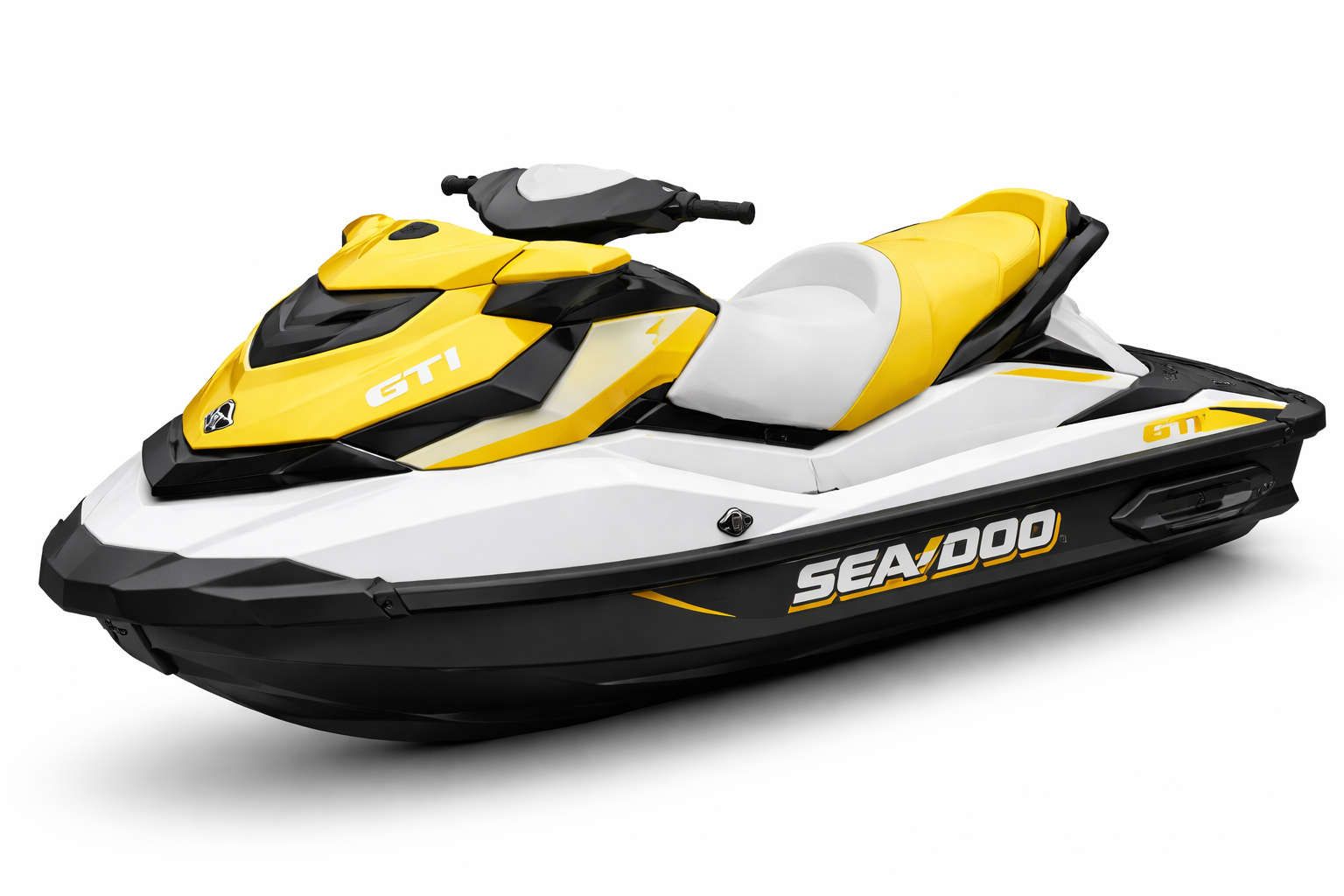
| Treatmenting unit | Working Fluid Volume, l | Carbon Modifier Volume (1st Maintenance), ml | Carbon Modifier Volume (2nd Maintenance), ml |
|---|---|---|---|
| Engine | 3 | 150 | 62 |
| Jet pump | 0.25 | 7.5 | 5 |
| Fuel | 60 | 60 | 60 |
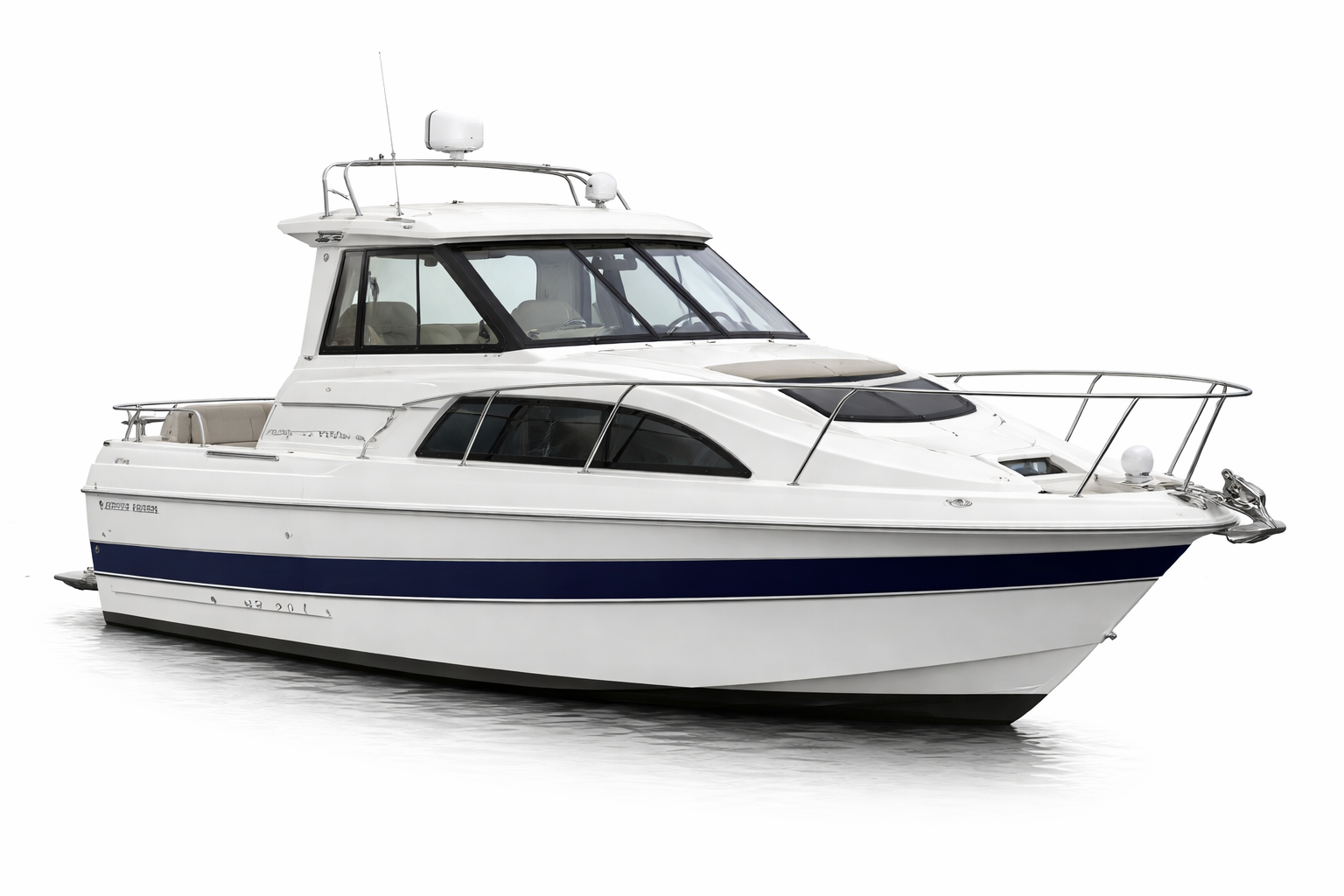
| Treatmenting unit | Working Fluid Volume, l | Carbon Modifier Volume (1st Maintenance), ml | Carbon Modifier Volume (2nd Maintenance), ml |
|---|---|---|---|
| Engine | 9 | 450 | 180 |
| Sterndrive unit | 3 | 90 | 60 |
| Hydraulic system | 10 | 200 | 150 |
| Fuel | 386 | 386 | 386 |
| * Working fluid and Carbon Modifier volumes may vary depending on the installed equipment models | |||
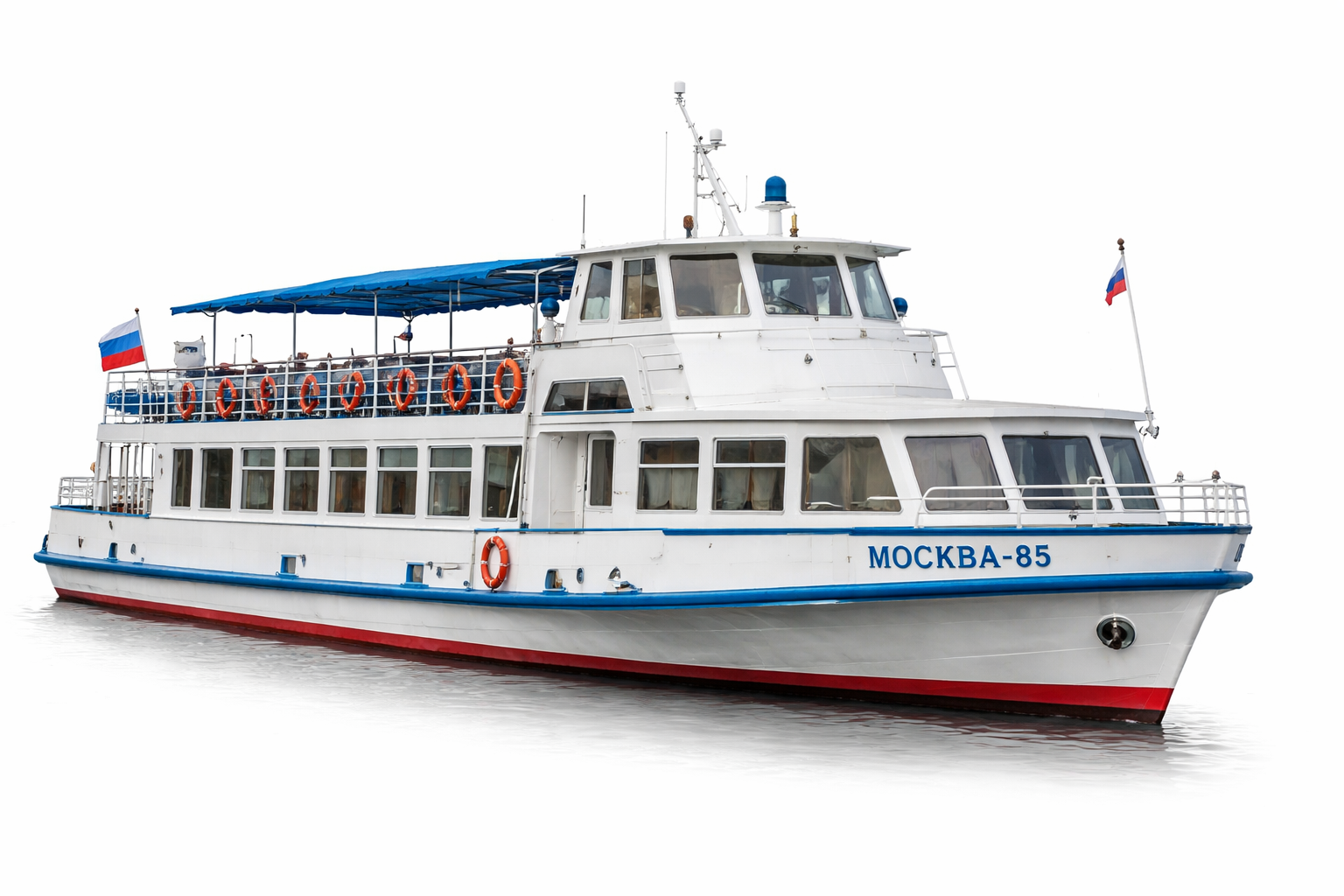
| Treatmenting unit | Working Fluid Volume, l | Carbon Modifier Volume (1st Maintenance), ml | Carbon Modifier Volume (2nd Maintenance), ml |
|---|---|---|---|
| Main engines | 64 | 3200 | 1280 |
| Reverse gearboxes | 10 | 300 | 200 |
| Shaft line (support bearings) | 2 | 200 | 200 |
| Shaft line (stern bearings) | 16 | 480 | 320 |
| Diesel generator | 10 | 500 | 200 |
| Hydraulic system | 15 | 300 | 225 |
| Fuel | 7000 | 7000 | 7000 |
| * Working fluid and Carbon Modifier volumes may vary depending on the installed equipment models | |||
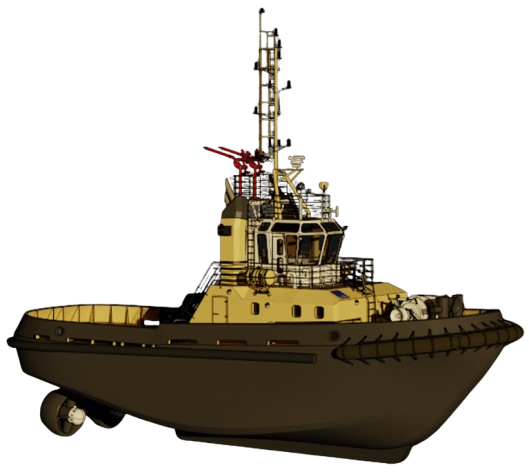
| Treatmenting unit | Working Fluid Volume, l | Carbon Modifier Volume (1st Maintenance), ml | Carbon Modifier Volume (2nd Maintenance), ml |
|---|---|---|---|
| Main engines | 292 | 14600 | 5840 |
| Azimuth thrusters | 2200 | 44000 | 33000 |
| Diesel generator | 30 | 1500 | 600 |
| Deck machinery hydraulic system (winch/bitts/pins/crane) | 500 | 10000 | 7500 |
| Oil tank / circulation of FiFi pump / couplings | 30 | 600 | 450 |
| Fuel | 70000 | 70000 | 70000 |
| * Working fluid and Carbon Modifier volumes may vary depending on the installed equipment models | |||
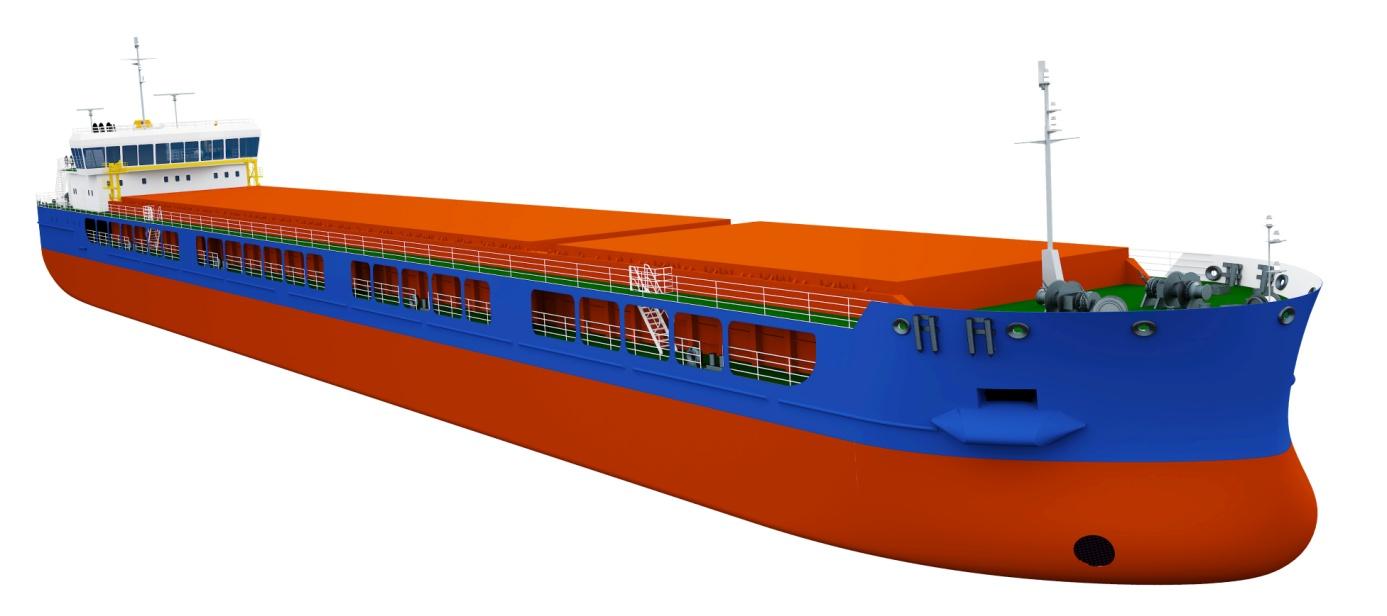
| Treatmenting unit | Working Fluid Volume, l | Carbon Modifier Volume (1st Maintenance), ml | Carbon Modifier Volume (2nd Maintenance), ml |
|---|---|---|---|
| Main engines (Wartsila 6L20 1200 kW) | 3960 | 198000 | 79200 |
| Diesel generators (Volvo Penta D13 332 kW) | 90 | 4500 | 1800 |
| Emergency diesel generator (D7 90 kW) | 23 | 1150 | 460 |
| Propulsion-rudder units | 4500 | 90000 | 67500 |
| Deck anchor/mooring machinery | 670 | 13400 | 10050 |
| Local crane/hatch hydraulics | 100 | 2000 | 1500 |
| Fuel | 250000 | 250000 | 250000 |
| * Working fluid and Carbon Modifier volumes may vary depending on the installed equipment models | |||
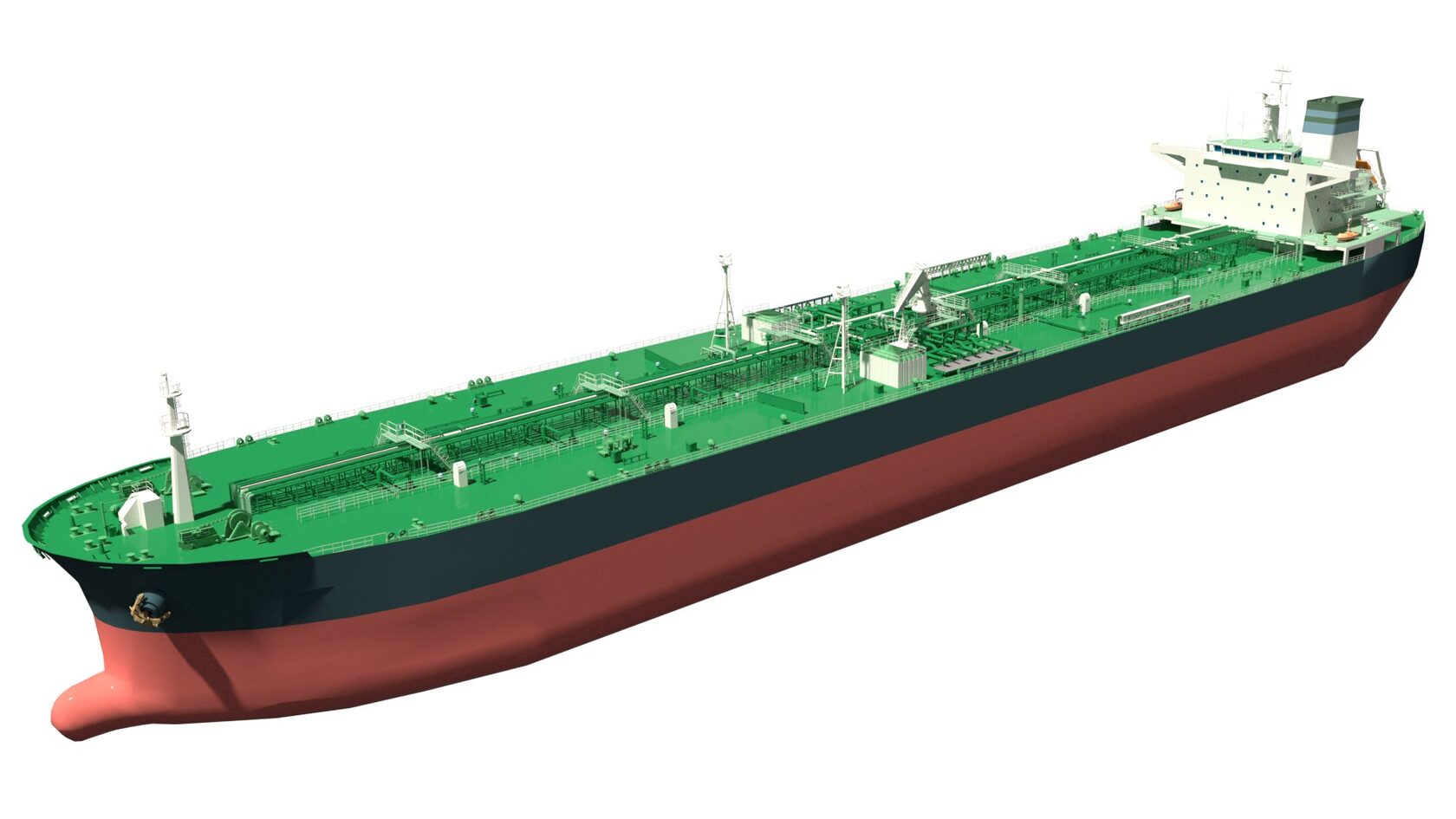
| Treatmenting unit | Working Fluid Volume, l | Carbon Modifier Volume (1st Maintenance), ml | Carbon Modifier Volume (2nd Maintenance), ml |
|---|---|---|---|
| Main engine (MAN B&W 6G60ME-C) | 19000 | 950000 | 380000 |
| Diesel generators (MAN 8L21/31, 3 pcs) | 4200 | 210000 | 84000 |
| Stern tube | 3200 | 64000 | - |
| Steering gear, cargo pumps | 210 | 4200 | - |
| Fuel | 3500000 | 3500000 | 3500000 |
| * Working fluid and Carbon Modifier volumes may vary depending on the installed equipment models | |||


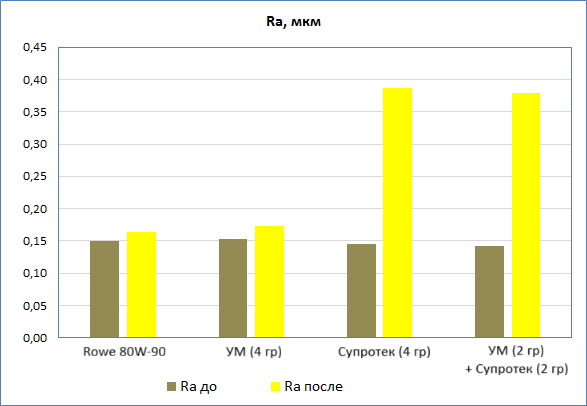
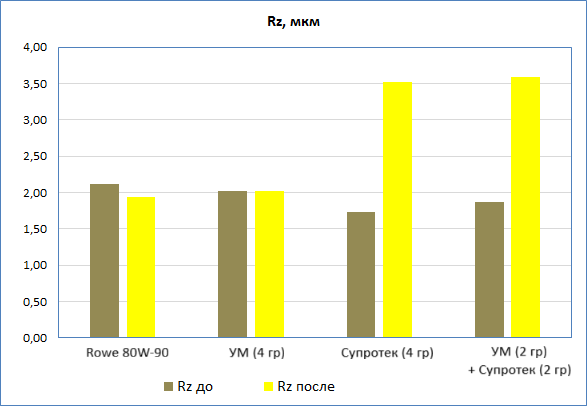
The tests were carried out on an II-5018 friction machine. The characteristics of the base transmission oil Rowe 80W-90 were compared with oils containing Carbon Modifier, the “Suprotec” additive, as well as their combination.
Scheme: “disk-on-disk with 15 % slip”.
Specimen: d = 50 mm, h = 12 mm.
Counter-specimen: d = 50 mm, h = 10 mm.
Material: 30KhGSA steel, quenched, ground (Ra = 0.2–0.3 µm).
Lubrication: splashing by a moving specimen immersed in oil to a depth of 1–2 cm (volume 200 ml).
Operating mode:
- rotation speed n = 1200 min⁻¹ (V ≈ 0.47 m/s)
- load P = 700 N
- test duration – 180 minutes
Recorded parameters:
- friction resistance torque M (N·m)
- load P (N)
- oil temperature in chamber T (°C)
- number of cycles N
Wear of the specimen (lower disk – Δmo) and the counter-specimen (upper disk – Δmк/o) was determined by weighing before and after testing on AV210M-01A analytical scales with an accuracy of up to 0.1 mg, while the counter-specimen crater area was determined by photography and software planimetry with an accuracy of up to 1 mm².
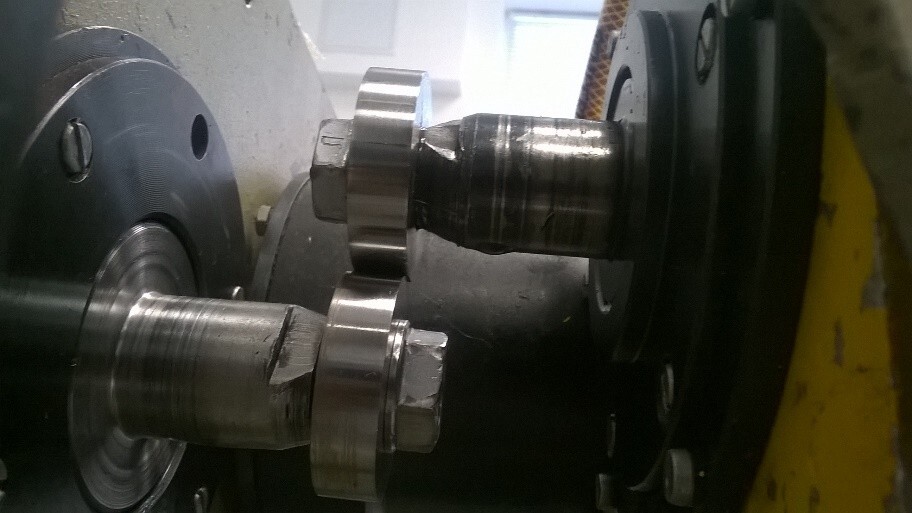
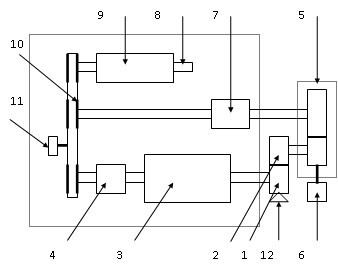
Table 1. Friction coefficient, temperature, and wear values for various oil compositions.
| Oil / additive | Avg. friction coeff. | Avg. T, °C | Specimen wear, mg | Counter-specimen wear, mg | Ra before, µm | Rz before, µm | Ra after, µm | Rz after, µm |
|---|---|---|---|---|---|---|---|---|
| Rowe 80W-90 | 0,098 | 50,6 | 7,2 | 21,9 | 0,151 | 2,115 | 0,164 | 1,935 |
| CM (4 g) | 0,102 | 51,9 | 5,2 | 0,4 | 0,153 | 2,020 | 0,173 | 2,020 |
| Suprotec (4 g) | 0,112 | 50,3 | 7,1 | 8,0 | 0,146 | 1,725 | 0,387 | 3,515 |
| CM (2 g) + Suprotec (2 g) | 0,110 | 48,3 | 4,4 | 4,7 | 0,143 | 1,865 | 0,379 | 3,590 |
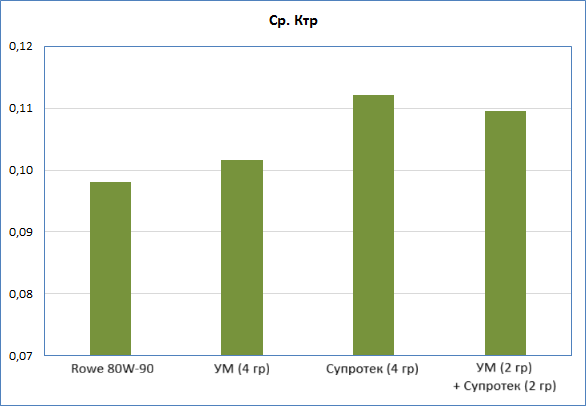
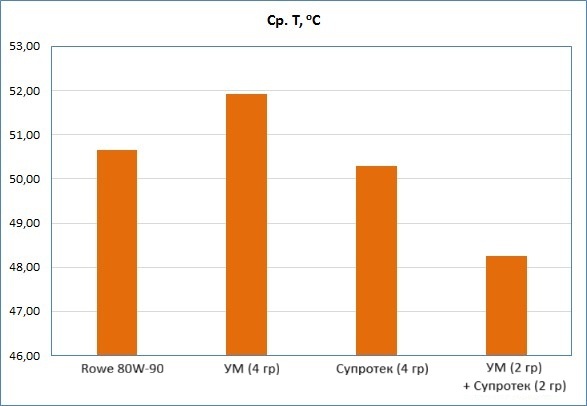
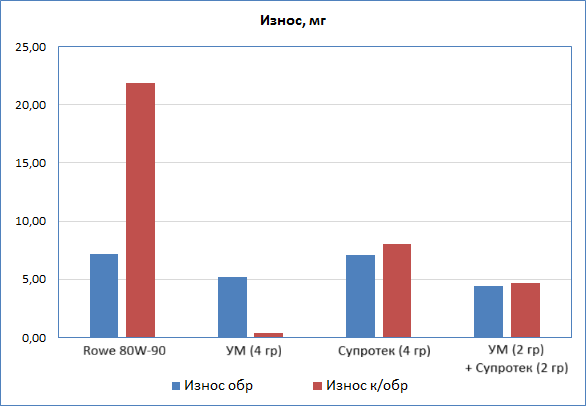
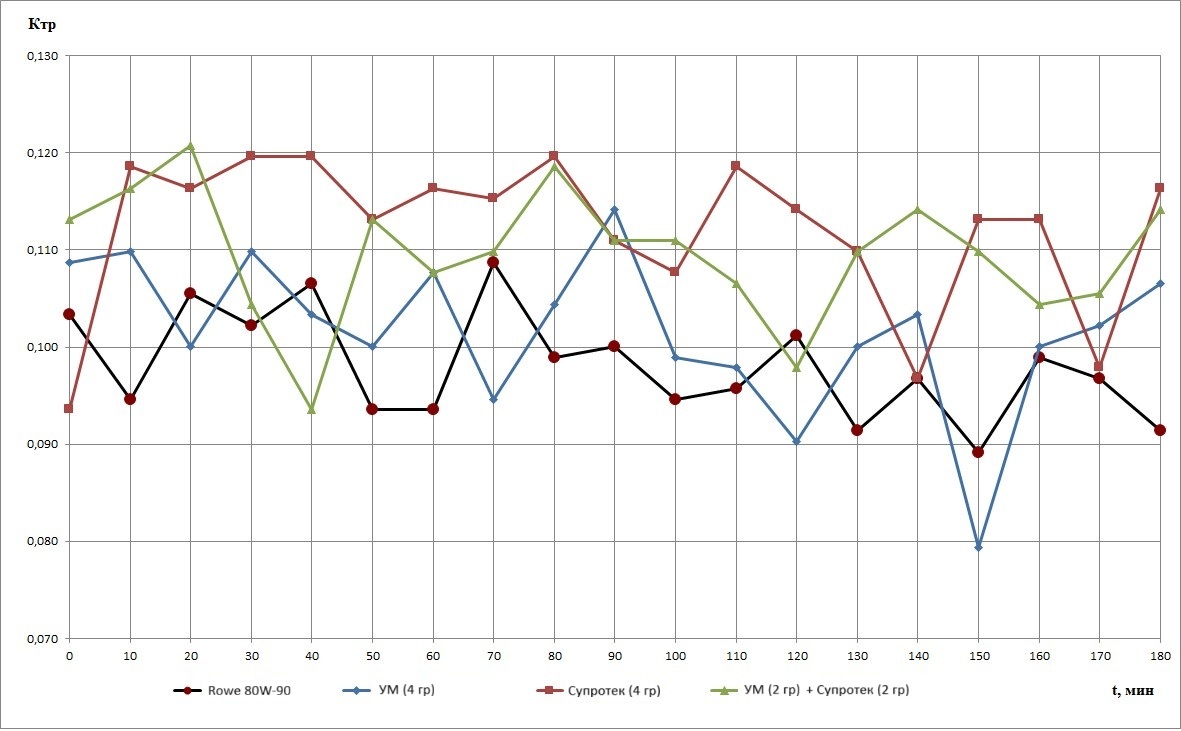
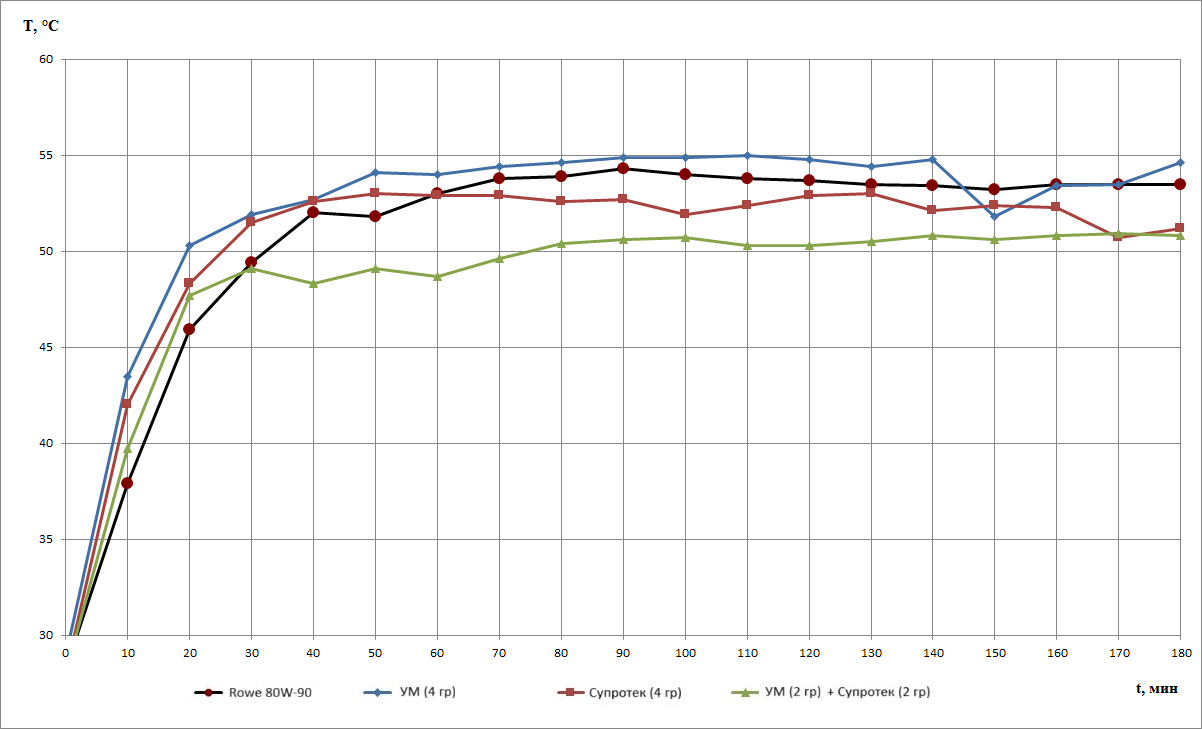
Adding Carbon Modifier to Rowe 75W-90 transmission oil slightly increases the friction coefficient and oil temperature, while reducing the overall wear intensity by approximately 5 times.
The “Suprotec” additive increases the friction coefficient by approximately 14 %, however, it slightly reduces oil temperature and decreases wear intensity by about 2 times.
